
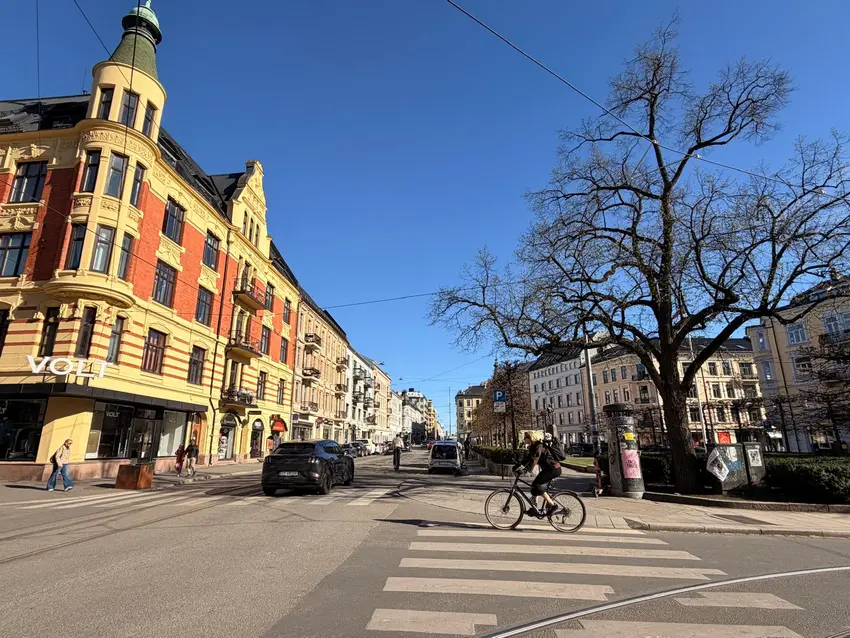
The lively, culturally vibrant, district of Grünerløkka in central Oslo was the district most frequently put forward as the best by readers who answered our survey.
"It’s such a lively spot, full of culture and amazing food!" exclaimed one PhD student, who wanted to remain anonymous. "There are always events happening, and so many cool people hanging out in the streets."
She particularly praised the area's theatres, cinemas, restaurants and cafés.
Otávio, a cognitive science researcher, also raved about how many places where were to go, and pointed out that, as the district is only a 15-minute walk from Oslo Central Station, it is central too.
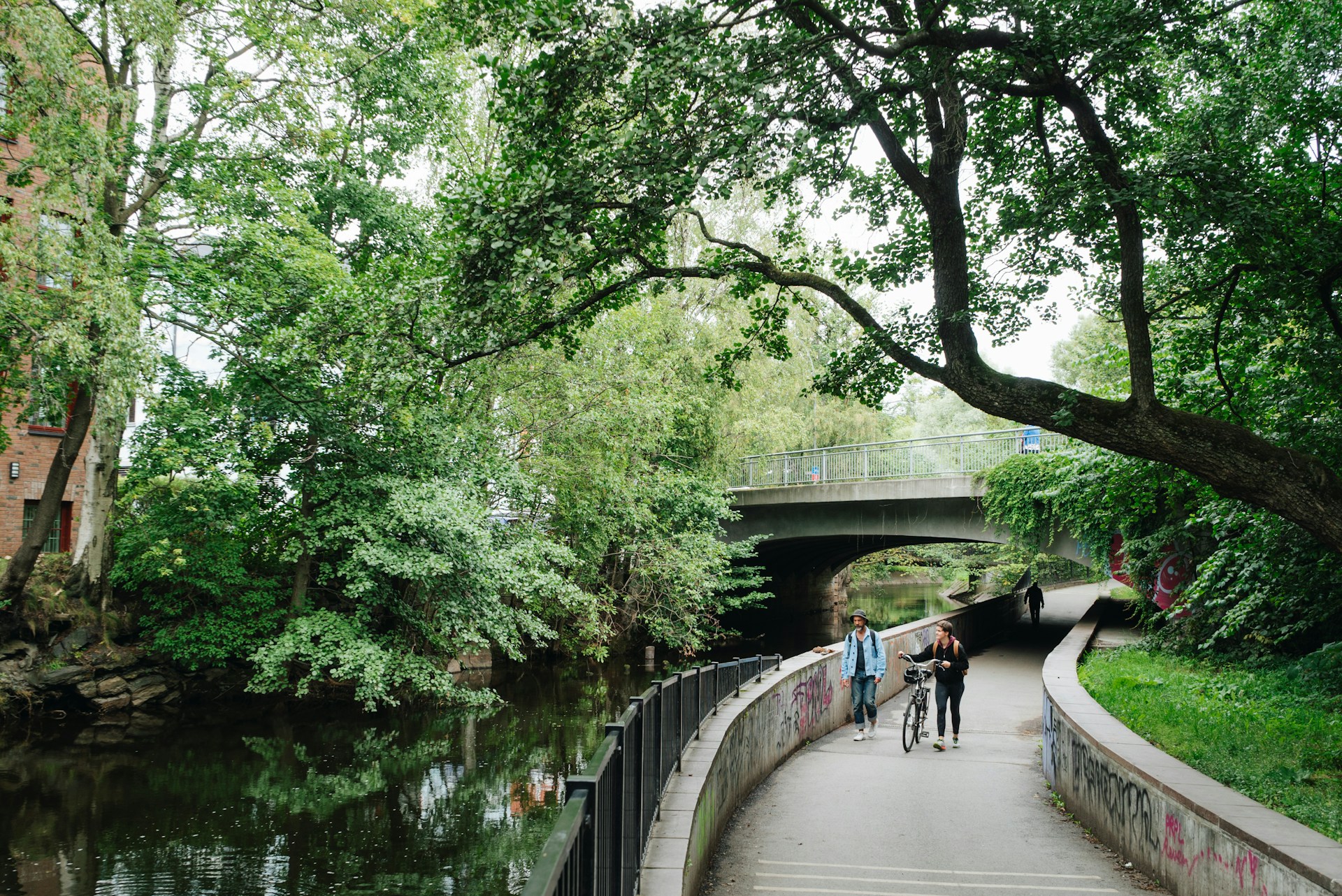
The nearby district of Grønland, he added, was "a great place to buy vegetables and food from other continents".
Filip, a bartender working in Bislett but living in Grünerløkka, praised it as a "friendly neighbourhood" that is "central, but not the annoying type of central with loads of noise and tourists".
While Grünerløkka is historically a working-class district, it has long since gentrified, however, with the PhD student saying some were being priced out. "On the flip side, the rent is pretty steep right now."
Majorstuen, in the more upmarket western half of central Oslo also came highly recommended, primarily for practical reasons, with readers saying it was "well-connected" to public transport and "a hub that is easy to get around". It also got points for being close to the city centre and for being near to the Vigeland sculpture park.
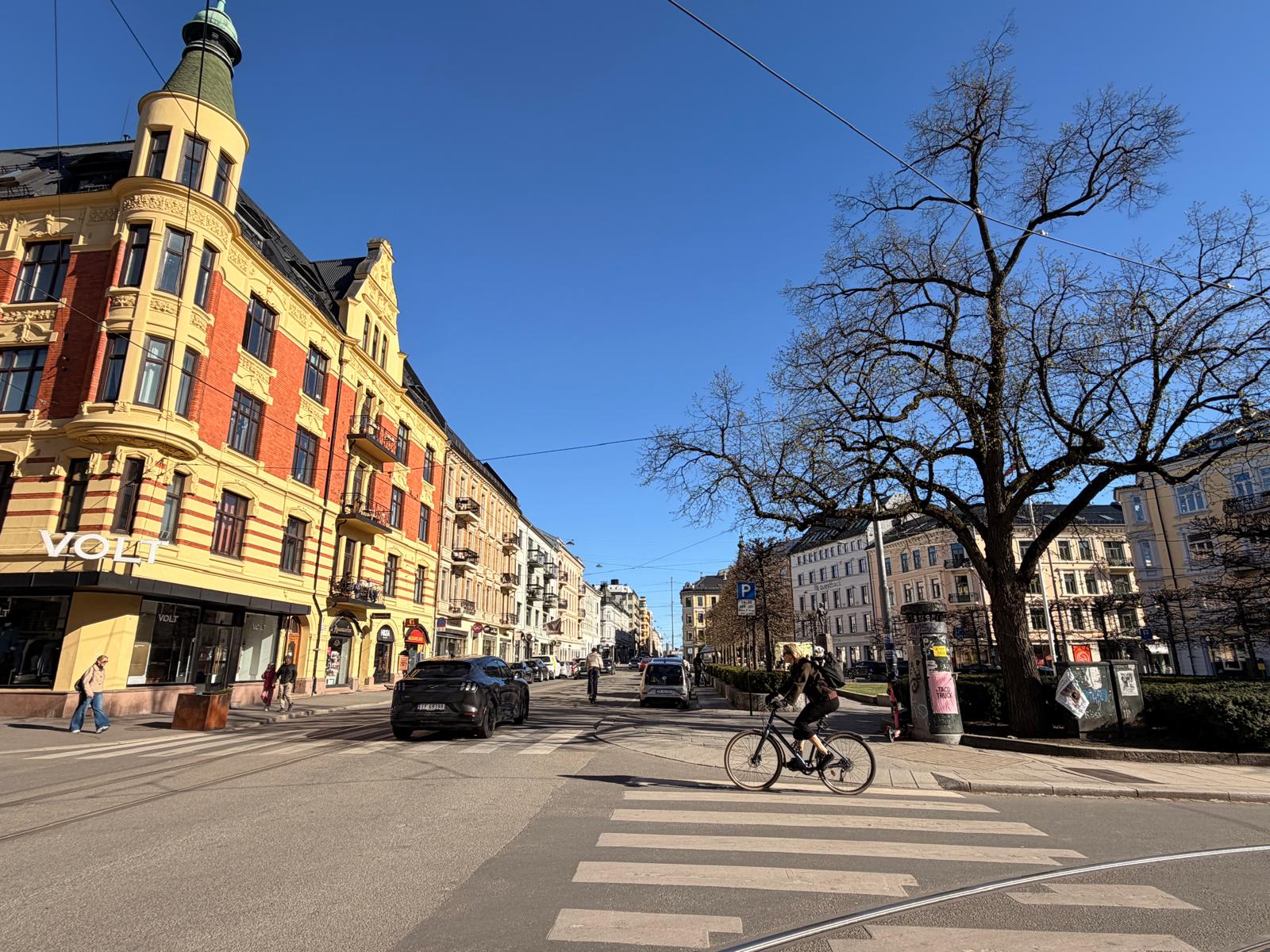
Others recommended St Hanshaugen, situated roughly between Grünerløkka and Majorstuen, with one university student, who wanted to remain anonymous, saying that it had "many foreigners, lot of young and open-minded people, and good coffee places and bars".
The only downside, the student said, was that it was not so well-connected to the Oslo Metro. Another resident complained that as the local kindergarten playgrounds are closed during the weekends, parents had to take small children elsewhere to play and get fresh air.
Mayur Mehta, an architect, tipped Tøyen, to the east of the city, saying he was attracted to its ethnic diversity and its relatively affordable property. The only downside he mentioned was it's appearance: "great grocery stores, not great architecture," was his deadpan verdict.
One former resident also recommended Torshov, reporting that it "used to be affordable", and also featured many "non-Norwegian shops".
Further out
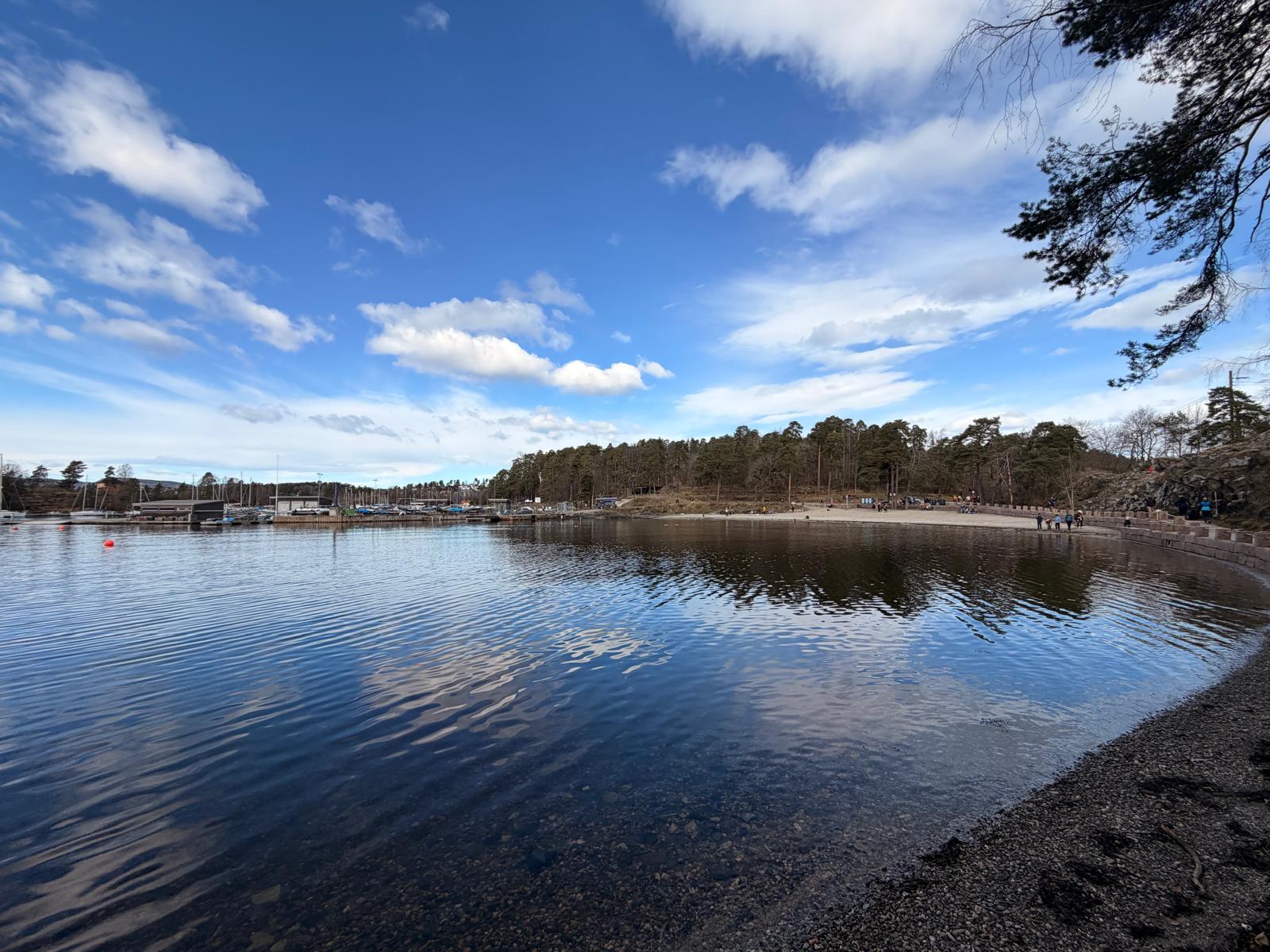
A little further out from the centre, Pat, a flight attendant, recommended Holmia, to the south east of the city on the Oslofjord. A Holmia resident himself, he said he appreciated the international mixture of people and the services provided for the local community, like the språkkafé language meet-up and the frisklivssentralen health centre.
Linda Sivesind, a translator, recommended Bygdøy, the peninsular best known for hosting the Fram Museum, which is built around the ship used by the polar explorer Fridtjof Nansen. A former resident, she said it had good recreation opportunities, was international, and boasted excellent transport connections to the city centre.
Other districts mentioned included Sandaker, which was praised for having "easy access to downtown, but still quiet," with good food and cultural offerings like theatres and Alna, which a researcher commended for its "diversity in people" and high concentration of "immigrant restaurants".
Comments